
Online communities shape how we connect today. They influence our thoughts, relationships, and daily decisions. But not all communities are created equal.
Some spaces foster growth and genuine connection. Others become breeding grounds for harm and manipulation. The difference matters more than you might think.
Let's explore why safe online communities are essential. And how you can identify them.
The Real Impact of Safe Communities
Safe online communities serve as digital lifelines for millions. They provide support when people need it most. This isn't just about convenience: it's about survival.
Protection for Vulnerable Users
Many people turn to online communities during their darkest moments. Teens facing bullying. Adults struggling with mental health. Marginalized groups seeking acceptance.
These communities become safe havens. Places where people can share without judgment. Where they find understanding from others who've walked similar paths.
Research shows these connections save lives. They provide resources that might not exist locally. They offer 24/7 support when professional help isn't available.
For LGBTQ+ youth in conservative areas, these communities provide crucial support. For people with rare medical conditions, they offer expertise and empathy. For anyone feeling isolated, they provide belonging.
Preventing Real-World Harm
Unsafe communities create serious problems. They spread misinformation that influences health decisions. They normalize harmful behaviors. They expose personal information to bad actors.
Safe communities actively prevent these issues. They fact-check information before it spreads. They shut down harassment before it escalates. They protect member privacy like a fortress.
The difference shows in outcomes. Members of safe communities report better mental health. They make more informed decisions. They feel more confident navigating challenges.
Enabling Authentic Participation
When people feel safe, they contribute their best selves. They share honest experiences. They offer genuine help to others. They build real relationships.
Unsafe spaces do the opposite. Fear makes people hide their true thoughts. Harassment silences important voices. Toxicity drives away valuable members.
Safe communities create space for everyone. Introverts and extroverts. Experts and beginners. People from all backgrounds and perspectives.
This diversity makes communities stronger. It leads to better problem-solving. It creates more innovative solutions. It builds understanding across differences.
Red Flags: Spotting Unsafe Communities
Unsafe communities often hide their problems well. But warning signs exist if you know what to look for.
Poor Moderation
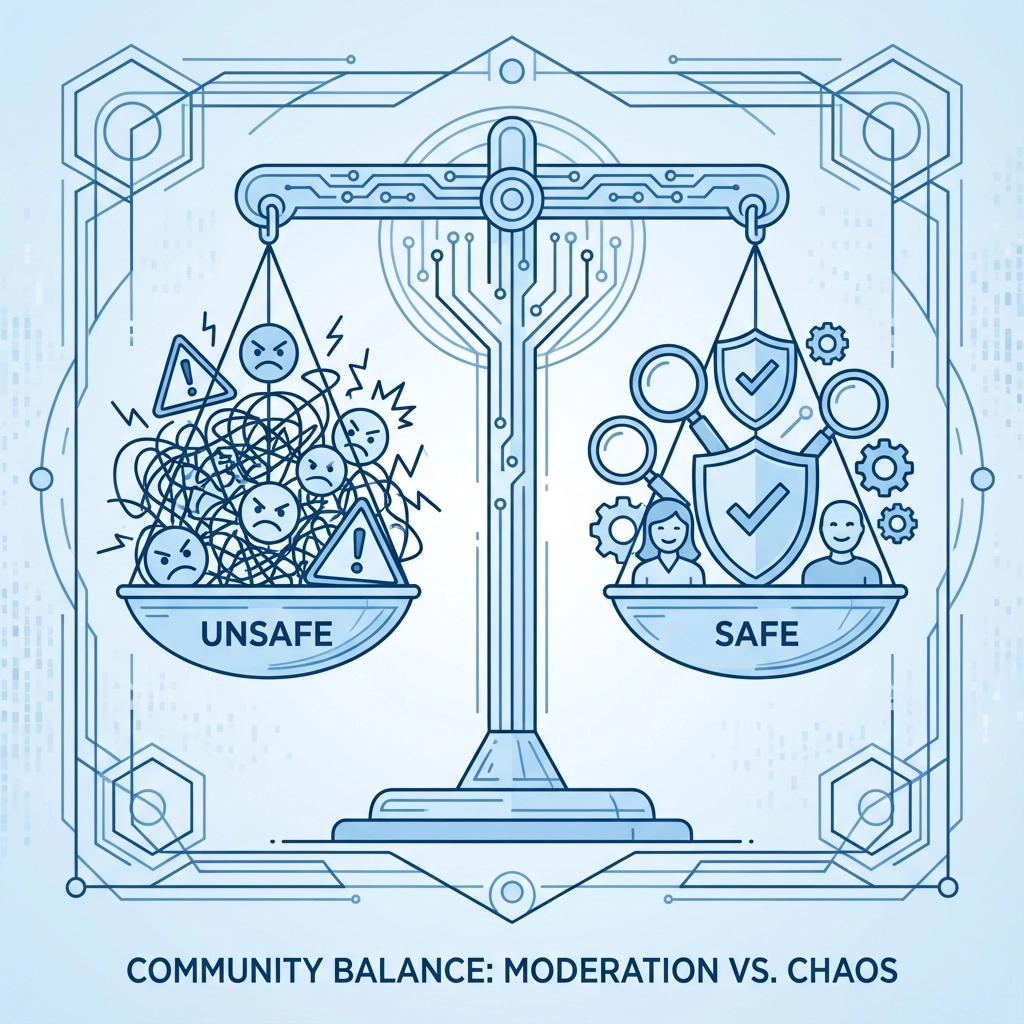
Communities without active moderation become chaotic quickly. Trolls take over conversations. Spam floods the space. Harmful content goes unchecked.
Look for these warning signs:
- No visible moderators
- Rules that aren't enforced
- Harassment that goes unaddressed
- Off-topic spam everywhere
- No clear reporting system
Good communities have active, fair moderation. They respond quickly to problems. They maintain order without being heavy-handed.
Privacy Violations
Some communities treat member data carelessly. They sell information to third parties. They don't secure personal details. They allow doxxing and stalking.
Warning signs include:
- No clear privacy policy
- Requests for unnecessary personal information
- Members sharing others' private details
- No security measures mentioned
- History of data breaches
Toxic Culture
Unhealthy communities normalize harmful behaviors. They reward cruelty. They shame vulnerability. They create in-groups and out-groups.
Watch for:
- Constant arguing and drama
- Members attacking each other personally
- Shaming people for asking questions
- Exclusive cliques that exclude others
- Celebration of harmful behaviors
Green Flags: Identifying Safe Communities
Safe communities share certain characteristics. They prioritize member wellbeing. They create positive environments. They build trust over time.
Clear Guidelines and Enforcement
Safe communities have well-defined rules. These aren't just suggestions: they're actively enforced. Members understand what's expected.
Good communities clearly explain:
- What behavior is acceptable
- What content is allowed
- How violations are handled
- How to report problems
- What consequences exist
The best communities explain the "why" behind rules. This helps members understand the purpose. It builds buy-in rather than resentment.
Robust Privacy Protection
Trustworthy communities treat member privacy seriously. They collect minimal personal information. They secure what they do collect. They're transparent about their practices.
Look for:
- Clear, understandable privacy policies
- Strong password requirements
- Secure communication channels
- Option to remain anonymous
- Regular security updates
Inclusive Environment
Safe communities welcome everyone. They actively work to include different voices. They make space for various perspectives and experiences.
Signs of inclusion:
- Diverse membership
- Multiple communication styles welcomed
- Accommodation for different needs
- Zero tolerance for discrimination
- Celebration of different perspectives
Constructive Conflict Resolution
Disagreements happen in any community. Safe spaces handle them constructively. They focus on finding solutions rather than assigning blame.
Healthy conflict resolution includes:
- De-escalation techniques
- Focus on issues, not personalities
- Mediation when needed
- Learning from mistakes
- Restoration rather than punishment
Evidence of Member Growth
The best communities help members grow. People develop new skills. They build confidence. They achieve personal goals.
Look for:
- Success stories from members
- Educational resources available
- Mentorship opportunities
- Skill-building activities
- Support for member goals
Building Safety in Your Own Spaces
Whether you're joining communities or creating them, you can promote safety. Your actions influence the overall culture.
As a Member
Be the change you want to see. Model respectful behavior. Support others who need help. Report problems when you see them.
Stand up for community values. Call out harmful behavior respectfully. Celebrate positive contributions. Help newcomers feel welcome.
As a Leader
If you run a community, safety starts with you. Set clear expectations. Enforce them consistently. Create systems that protect members.
Invest in proper moderation tools. Train your team well. Listen to member feedback. Continuously improve your approach.
The Kupydo Difference
At Kupydo, we understand the importance of safe communities. We've built our platform with safety as a foundation, not an afterthought.
Our approach includes:
- Clear community guidelines that protect everyone
- Active moderation that keeps conversations healthy
- Privacy controls that put members in charge of their data
- Tools that help resolve conflicts constructively
- Features that promote positive interactions
We believe everyone deserves a safe space to connect. A place where they can be themselves without fear. A community that supports their growth and wellbeing.
Your Role in Community Safety
Safe communities don't happen by accident. They require intention, effort, and ongoing commitment from everyone involved.
You have power to influence community culture. Choose spaces that align with your values. Contribute positively to the communities you join. Hold leaders accountable for maintaining safety.
Remember: you deserve to feel safe online. Don't settle for communities that make you uncomfortable or unsafe. Better options exist.
The internet can be a wonderful place for human connection. Safe communities make that possible. They create spaces where people can thrive, learn, and grow together.
Choose wisely. Participate thoughtfully. Help build the kind of online world you want to see.
Ready to experience a truly safe online community? Explore Kupydo and see the difference for yourself.